When your toilets are draining slowly, your septic alarm is sounding, or an unpleasant odor appears outside, it can be difficult to know what service to request.
Does your septic tank simply need to be pumped, or is there a damaged component that needs repair?
Septic pumping and septic repair solve different problems. Pumping removes accumulated wastewater and solids from the tank. Repair corrects a damaged, clogged, or malfunctioning part of the septic system.
Sometimes pumping is all that is needed. In other situations, pumping may temporarily relieve the symptoms without addressing the underlying problem.
Septic Pumping vs. Repair at a Glance
| Septic Pumping | Septic Repair |
|---|---|
| Removes wastewater, sludge, and solids | Fixes a damaged or malfunctioning component |
| Part of routine maintenance | Needed when part of the system is not working properly |
| Commonly performed every three to five years | Performed when inspection or symptoms reveal a problem |
| May relieve symptoms caused by an overfilled tank | Addresses broken pipes, pumps, lids, baffles, tanks, or drainfield problems |
| Usually has a more predictable scope | Cost depends on the component, damage, access, and site conditions |
The only reliable way to know which service you need is to consider the system’s maintenance history, symptoms, and property conditions.
What Does Septic Pumping Do?
Septic tank pumping removes accumulated liquid waste, sludge, and floating solids from inside the tank.
Over time, solid material builds up. If it is not removed, it can reduce the tank’s capacity and increase the risk of solids entering the drainfield.
Many household septic tanks should be pumped approximately every three to five years. The proper schedule depends on:
Septic tank size
Household size
Water usage
Garbage disposal use
System design
Seasonal or year-round occupancy
The amount of solid waste entering the tank
Pumping is an important maintenance service, but it does not repair damaged components or restore a failed drainfield.
Signs You May Need Septic Pumping
Pumping may be the appropriate first step when:
It has been three to five years since the last pump-out
You do not know when the tank was last serviced
Several drains are becoming progressively slower
The tank is known to be approaching capacity
You are preparing for increased household use
An inspection shows excessive sludge or solids
You recently purchased a property with an unknown maintenance history
These signs do not guarantee that pumping will solve the problem. Slow drains, odors, and backups can also be caused by plumbing clogs, damaged pipes, pump failure, or drainfield problems.
What Does Septic Repair Include?
Septic repair addresses a specific problem that prevents the system from operating properly.
Depending on the system and diagnosis, repair may involve:
Replacing a damaged access lid
Repairing an inlet or outlet pipe
Replacing a broken baffle
Repairing or replacing a septic pump
Servicing an alarm or electrical component
Clearing or repairing a damaged line
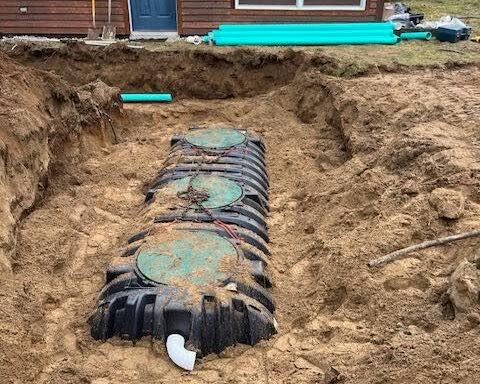
Replacing a cracked or deteriorated tank
Correcting distribution-box problems
Repairing or replacing part of the drainfield
Addressing damage caused by vehicles, roots, soil movement, or age
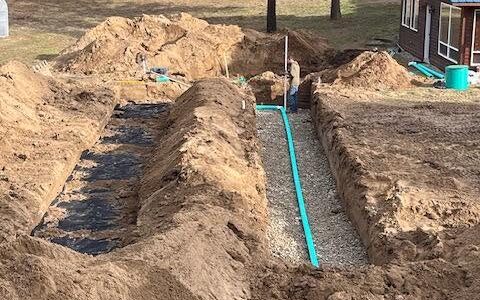
Minor repairs may involve a single accessible component. Larger problems involving the tank or drainfield can require excavation, permitting, engineering, or system replacement.
Signs You May Need Septic Repair
Your system may need evaluation and repair when:
Sewage backs up again soon after the tank is pumped
Wastewater is surfacing near the tank or drainfield
The ground is consistently wet, soft, or unusually green
A septic alarm continues to sound
A pump is not operating
A tank lid is cracked, unsafe, or damaged
Pipes appear broken, displaced, or blocked
Strong odors continue after pumping
The system requires increasingly frequent pumping
Part of the property has settled over the tank or drainfield
An inspection identifies a damaged component
These symptoms can indicate more than an overfilled tank. A professional assessment is the best way to determine the cause.
When Pumping Will Not Fix the Problem
Pumping may temporarily lower the wastewater level in the tank, but it will not correct:
A broken septic pipe
A failed pump
A damaged tank
A clogged or damaged distribution component
A saturated or failing drainfield
Improper drainage around the system
Excessive groundwater entering the system
Household plumbing clogs
A system that is too small for the property’s current use
If the tank fills unusually quickly after pumping, that is a warning sign that the system needs further evaluation.
Pumping an already saturated system may provide only temporary relief. Under flooded or highly saturated conditions, pumping can also require special precautions.
Sometimes You Need Both Pumping and Repair
Pumping and repair are not always separate choices.
A tank may need to be pumped before a professional can safely access or evaluate certain components. Pumping can expose damaged baffles, filters, pipes, or other visible concerns.
A typical service sequence may include:
Review the property’s maintenance history and symptoms.
Locate and access the septic tank.
Pump the tank if it is full or an internal evaluation is needed.
Identify visible damage or operating problems.
Explain the recommended repair or next step.
Complete permitted repairs when required.
The goal is to address both the immediate wastewater problem and its underlying cause.
What Affects Septic Tank Repair Cost?
There is no single septic tank repair cost because the scope can vary significantly.
Pricing may depend on:
The damaged component
The amount of excavation required
Tank and drainfield accessibility
Soil and groundwater conditions
The depth of the system
Parts and equipment required
Whether electrical or pump components are involved
Permit and inspection requirements
Travel to the property
Seasonal access conditions
Whether the system needs partial or complete replacement
Replacing an accessible lid is very different from repairing a buried line or replacing a failed drainfield.
A professional assessment is necessary before an accurate repair estimate can be prepared.
North Idaho Soil and Property Considerations
Properties in Bonner and Boundary counties can present conditions that affect septic diagnosis and repair.
Soil and Drainage Conditions
Septic systems rely on the surrounding soil to treat and absorb wastewater. Soil type, seasonal groundwater, slope, bedrock, and drainage conditions can affect system performance.
Wet spring conditions or saturated soil may produce symptoms that are less noticeable during dry weather.
Rural Property Access
Many North Idaho properties have:
Long or narrow driveways
Locked gates
Steep slopes
Soft ground
Limited turnaround space
Seasonal roads
Heavy snow
Tanks located far from the main driveway
These conditions can affect where the pumping truck can park and how easily excavation equipment can reach the system.
When scheduling service, mention any access limitations and provide clear directions to the property.
Unknown System Locations
Older rural properties may have incomplete records or no visible tank access.
Previous permits, maintenance receipts, inspection reports, or county health records may help identify the system’s location and design. Panhandle Health District maintains septic permits and records for properties in Bonner and Boundary counties.
Wells, Lakes, Streams, and Property Boundaries
Septic repairs and replacement systems may need to account for nearby wells, surface water, buildings, property lines, and other site features.
Do not move or modify septic components without determining whether local approval or a permit is required.
What to Do When You Have an Active Septic Problem
If sewage is backing up or wastewater is surfacing outside:
Reduce water use immediately.
Stop running washing machines and dishwashers.
Avoid unnecessary showers, flushing, and sink use.
Keep children and pets away from affected areas.
Do not open or enter the septic tank.
Do not drive over the tank or drainfield.
Call a septic professional and describe the symptoms.
Provide the date of the last pumping, if known.
If sewage has entered the home, avoid direct contact and arrange for appropriate cleanup after the septic problem is addressed.
A Simple Decision Guide
Schedule Septic Pumping When:
The tank is due for routine maintenance
Maintenance records are missing
The tank is known to be full
An inspection recommends pumping
There are no obvious signs of drainfield failure or damaged components
Request an Assessment When:
The system was pumped recently but symptoms returned
Sewage is surfacing outside
The drainfield remains wet or spongy
The alarm continues to sound
A pump or electrical component is not working
The tank, lid, or piping appears damaged
You need pumping more frequently than expected
You are unsure whether the problem is the tank, plumbing, or drainfield
If you are uncertain, explain the symptoms when you call. Pinnacle Septic can help determine the most appropriate next step.
Can Routine Pumping Help Prevent Repairs?
Regular pumping cannot prevent every septic problem, but it can reduce the risk of solids entering and clogging the drainfield.
You can also help protect your system by:
Repairing leaking faucets and toilets
Spreading laundry loads throughout the week
Avoiding excessive water use
Keeping grease and food waste out of drains
Never flushing wipes, hygiene products, or household garbage
Keeping vehicles and heavy equipment off the septic system
Maintaining service and pumping records
Responding promptly to alarms and warning signs
Routine maintenance is generally easier and less stressful than responding to a sewage backup.
Septic Pumping and Repair in Bonners Ferry and Sandpoint
Pinnacle Septic provides septic pumping and system services throughout Bonner and Boundary counties, including Bonners Ferry, Sandpoint, Moyie Springs, Naples, Ponderay, Sagle, Priest River, and surrounding rural communities.
Whether your tank is overdue for pumping or your system is showing signs of a larger problem, we can help you determine the next step.
Call or text Pinnacle Septic at (208) 603-1395 to request an assessment or schedule a septic pumping appointment.
When you call, be ready to provide:
Your property address
The symptoms you have noticed
The date of the last pumping
Any alarm or pump information
Known tank and drainfield locations
Access instructions for the property
Frequently Asked Questions
Will pumping fix a septic backup?
It may help if the backup is caused by an overfilled tank. It will not permanently fix a broken pipe, failed pump, plumbing blockage, or damaged drainfield.
Why did my septic problem return after pumping?
Symptoms that return quickly may indicate excessive water entering the system, a damaged component, a clogged line, pump failure, or drainfield trouble. The system should be evaluated.
How do I know if my drainfield is failing?
Common warning signs include persistent wet ground, surfacing wastewater, sewage odors, unusually green grass, backups, and a tank that fills quickly after pumping. These symptoms require professional evaluation.
Do septic repairs require a permit?
Some repairs and system alterations may require approval or permits. Requirements depend on the type of work. Panhandle Health District manages septic permitting and records in Bonner and Boundary counties.
Is septic repair more expensive than pumping?
Repair usually costs more than routine pumping, but the amount depends on the damaged component, excavation, access, parts, soil conditions, and permitting requirements.