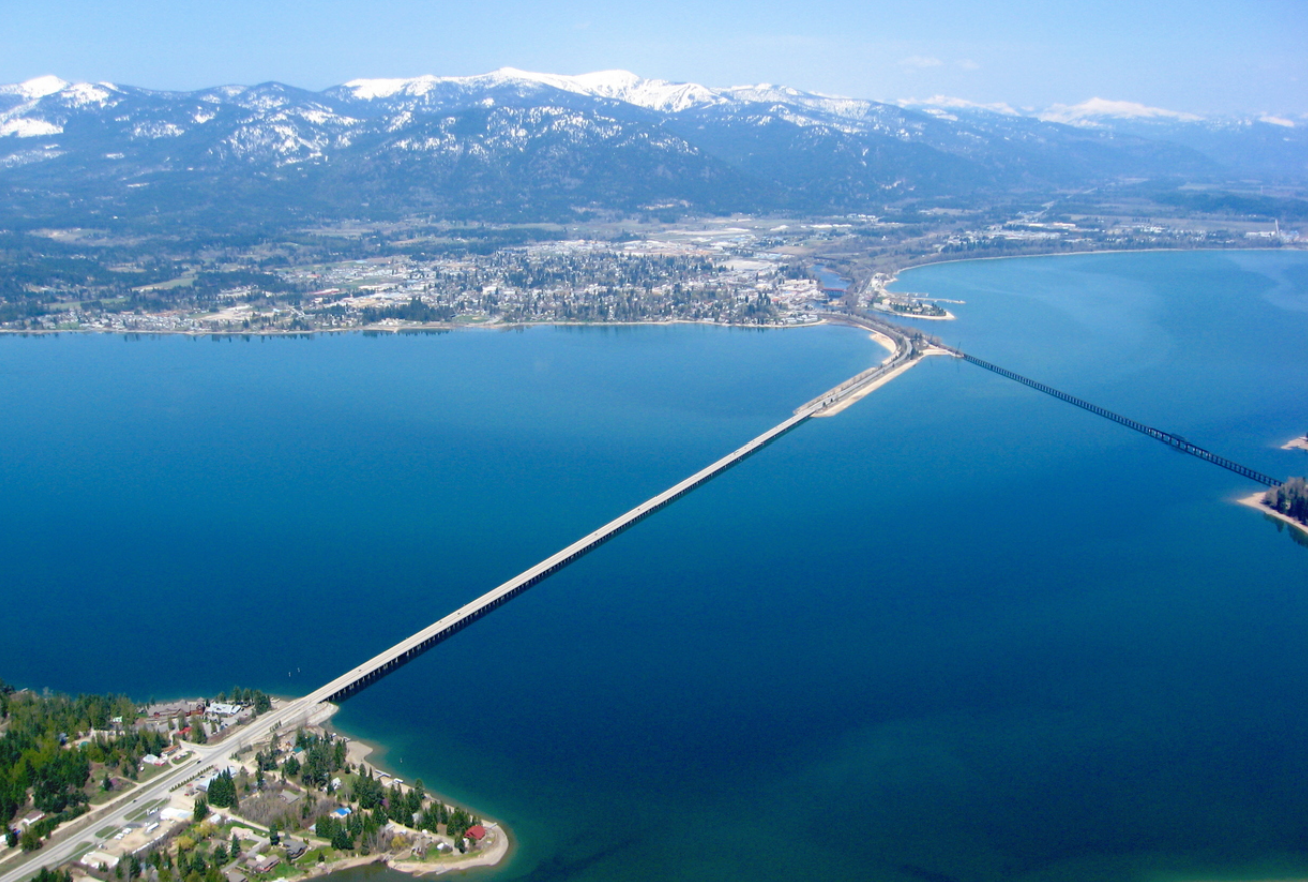
Septic service in the Sandpoint area is not always straightforward.
Properties throughout Bonner County can have high seasonal groundwater, difficult soil conditions, steep or wooded terrain, long rural driveways, limited equipment access, and nearby lakes, rivers, streams, or private wells.
These conditions can affect how a septic system is installed, maintained, repaired, and accessed for pumping. They are also why working with a septic provider familiar with the Sandpoint area matters.
Pinnacle Septic provides dependable septic pumping, system installation, repair, inspection, and maintenance throughout Sandpoint and surrounding Bonner County communities.
Septic Service Designed for the Sandpoint Area
Properties inside Sandpoint city limits may be connected to the municipal sewer system. However, many homes, businesses, cabins, construction sites, and rural properties throughout the greater Sandpoint area rely on individual septic systems.
Pinnacle Septic serves customers in:
Sandpoint
Ponderay
Kootenai
Sagle
Dover
Naples
Hope
East Hope
Clark Fork
Priest River
Surrounding rural areas of Bonner County
Our experience with North Idaho properties helps us recognize the access, soil, water, and seasonal conditions that can affect septic service.
High Groundwater Creates Additional Septic Challenges
A septic system relies on soil to treat and disperse wastewater after it leaves the tank. The system needs enough suitable soil between the drainfield and groundwater or another limiting layer.
In parts of Bonner County, the groundwater level may rise during snowmelt, spring runoff, extended rainfall, or other wet conditions. Some properties may also have perched groundwater, where water collects above a restrictive soil or rock layer.
High groundwater can create several septic concerns:
Reduced wastewater absorption
Wet or saturated drainfield conditions
Wastewater surfacing above the system
Increased risk of groundwater entering damaged tanks or pipes
Septic alarms caused by high water levels
Difficult excavation and installation conditions
Limited locations for replacement drainfields
Service-truck and equipment access problems
High groundwater does not automatically mean a property cannot have a septic system. It means the property must be carefully evaluated so the system design, location, and installation match the site conditions.
Pinnacle Septic has experience working with the groundwater and property-access challenges found throughout the Sandpoint area.
Septic Pumping in Sandpoint and Bonner County
Routine septic tank pumping removes the sludge and solids that accumulate inside the tank.
Many household septic tanks should be pumped approximately every three to five years. The appropriate schedule depends on:
Tank size
Household size
Water usage
Garbage disposal use
System design
Seasonal or year-round occupancy
The amount of solid waste entering the tank
Regular pumping helps reduce the risk of solids entering the drainfield, where they can contribute to clogging and premature system failure.
Warning Signs Your Tank or System Needs Attention
Contact a septic professional if you notice:
Slow drains throughout the home
Gurgling plumbing
Sewage or septic odors
Toilets that are difficult to flush
A septic alarm sounding
Sewage backing up inside
Wet or unusually green areas near the drainfield
Wastewater surfacing outside
Several years have passed since the last pump-out
These symptoms do not always mean pumping will solve the problem. They may also indicate a damaged pipe, failed pump, saturated drainfield, or another system issue.
Tell Pinnacle Septic what you are experiencing when you call so we can help determine the appropriate next step.
Pumping During Wet or High-Groundwater Conditions
Spring and other wet periods can create special considerations for septic pumping.
If the soil around the system is flooded or severely saturated, pumping may require additional caution. Removing the tank’s contents under certain conditions can place pressure on the tank or connected piping.
Soft ground may also make it unsafe for a heavy pumping truck to approach the system.
If your septic alarm is sounding or your system is backing up during a period of high groundwater, call before assuming a routine pump-out is the complete solution. Pinnacle Septic can review the symptoms and property conditions with you.
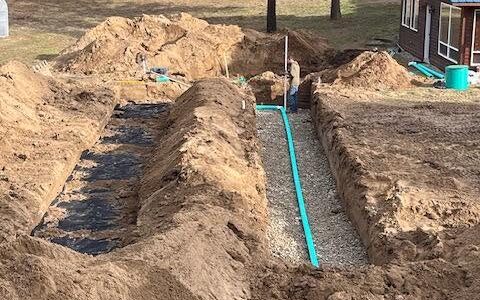
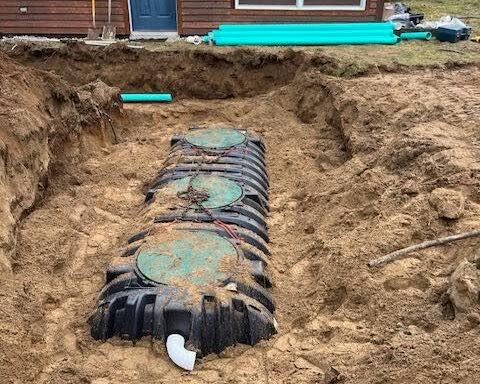
Septic System Installation in Sandpoint
A dependable septic system begins with a design and installation suited to the property.
Pinnacle Septic provides professional septic system installation for:
New homes
Commercial properties
Rural developments
Replacement systems
Property expansions
New construction projects
Aging or failing septic systems
Every Sandpoint-area property is different. The appropriate installation may depend on:
Soil type and depth
Seasonal groundwater
Bedrock or other limiting layers
Property slope
Lot size and usable space
Daily wastewater volume
Bedroom count
Private wells and springs
Nearby lakes, rivers, streams, or wetlands
Existing buildings and property boundaries
Access for installation and future maintenance
These factors must be considered before choosing a tank, drainfield location, or system type.
Permits and Site Evaluations
Idaho requires permits for subsurface sewage disposal systems. In Bonner County, septic permitting and records are managed through Panhandle Health District.
Permit approval considers factors such as:
Predicted daily wastewater flow
Home size and location
Well and spring locations
Surface water
Depth to groundwater
Soil conditions
Grading and other changes to native soil
Neighboring structures and drainfields
Intended property use
Pinnacle Septic can help property owners understand the installation process and the information needed to move a septic project forward.
Septic Repair and Troubleshooting
Pumping removes accumulated waste, but it does not repair damaged system components.
A Sandpoint-area septic system may require repair when:
Problems return soon after pumping
The tank fills unusually quickly
A pump or alarm component fails
A line becomes damaged or blocked
The tank or access lid is cracked
Groundwater enters the system
The drainfield remains wet or saturated
Wastewater surfaces outside
An inspection identifies damaged components
Pinnacle Septic approaches each property individually. We consider the maintenance history, visible symptoms, system design, groundwater conditions, and property access before recommending the next step.
Rural Property Access Matters
Many properties outside Sandpoint have access conditions that can complicate septic service.
These may include:
Long gravel or dirt driveways
Narrow gates
Steep grades
Limited turnaround space
Soft or muddy ground
Snow-covered access
Seasonal roads
Tanks located far from the driveway
Trees, landscaping, or structures over the system
When requesting service, let us know about any access concerns. Providing accurate information helps us prepare the appropriate equipment and determine where the pumping truck can safely park.
Before your appointment:
Unlock gates
Clear vehicles from the access area
Secure pets
Mark the tank location if known
Remove movable obstacles
Tell us about soft ground or steep terrain
Provide any necessary driving directions
Do not drive heavy equipment over the septic tank or drainfield. The weight can damage underground components.
Additional Sandpoint-Area Services
In addition to septic pumping and installation, Pinnacle Septic provides:
Septic system maintenance
Septic inspections
Septic repairs
RV and holding-tank pump-outs
Grease-trap cleaning
Portable toilet rentals
Handwashing and sanitizer stations
We serve homeowners, businesses, contractors, property managers, event organizers, and rural property owners throughout Bonner County.
Why Sandpoint Customers Choose Pinnacle Septic
Pinnacle Septic is a locally owned, community-minded company committed to making septic service as straightforward as possible.
Customers choose us for:
Experience with high groundwater and North Idaho property conditions
Dependable septic pumping
Professional septic installation
Clear communication
Consistent, competitive pricing
Respect for homes, businesses, and rural properties
Service throughout Sandpoint and surrounding communities
Residential, commercial, construction, and event capabilities
We understand that septic problems are stressful. Our goal is to explain the situation clearly, recommend an appropriate solution, and provide consistent, high-quality service at a fair price.
Schedule Septic Service in Sandpoint
Whether your septic tank is due for routine pumping, your alarm is sounding, or you are planning a new installation, Pinnacle Septic is ready to help.
Call or text Pinnacle Septic at (208) 603-1395 to request service in Sandpoint or the surrounding Bonner County area.
When you call, be ready to provide:
The property address
The service you believe you need
Current warning signs
The last known pumping date
Tank and drainfield locations, if known
Property access information
Details about high water, soft ground, or seasonal conditions
If you do not know exactly what service you need, describe the problem. We can help you determine the appropriate next step.
Frequently Asked Questions
Does Pinnacle Septic serve properties outside Sandpoint city limits?
Yes. Pinnacle Septic serves rural properties and surrounding communities throughout Bonner County, including Ponderay, Kootenai, Sagle, Dover, Naples, Hope, Clark Fork, and Priest River.
How often should I pump my septic tank?
Many household tanks should be pumped every three to five years. The correct schedule depends on tank size, household size, water usage, system design, and the amount of solids entering the tank.
Can high groundwater affect my septic system?
Yes. High groundwater can reduce the soil’s ability to accept wastewater, contribute to saturated drainfield conditions, enter damaged components, and limit installation options.
Can a septic system be installed on a high-groundwater property?
Possibly. The property must be evaluated to determine the groundwater depth, soil conditions, usable space, wastewater needs, and applicable requirements. Some properties may need a system specifically designed for challenging site conditions.
Do I need a permit for a septic system in Bonner County?
Yes. Permits are required for subsurface sewage disposal systems in Idaho. Panhandle Health District manages septic permits and records for Bonner County.
What should I do if my septic alarm sounds during spring runoff?
Reduce water use and contact a septic professional. An alarm may indicate a high wastewater level, pump problem, electrical issue, or groundwater-related condition.