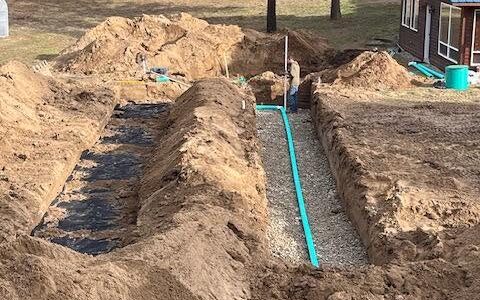
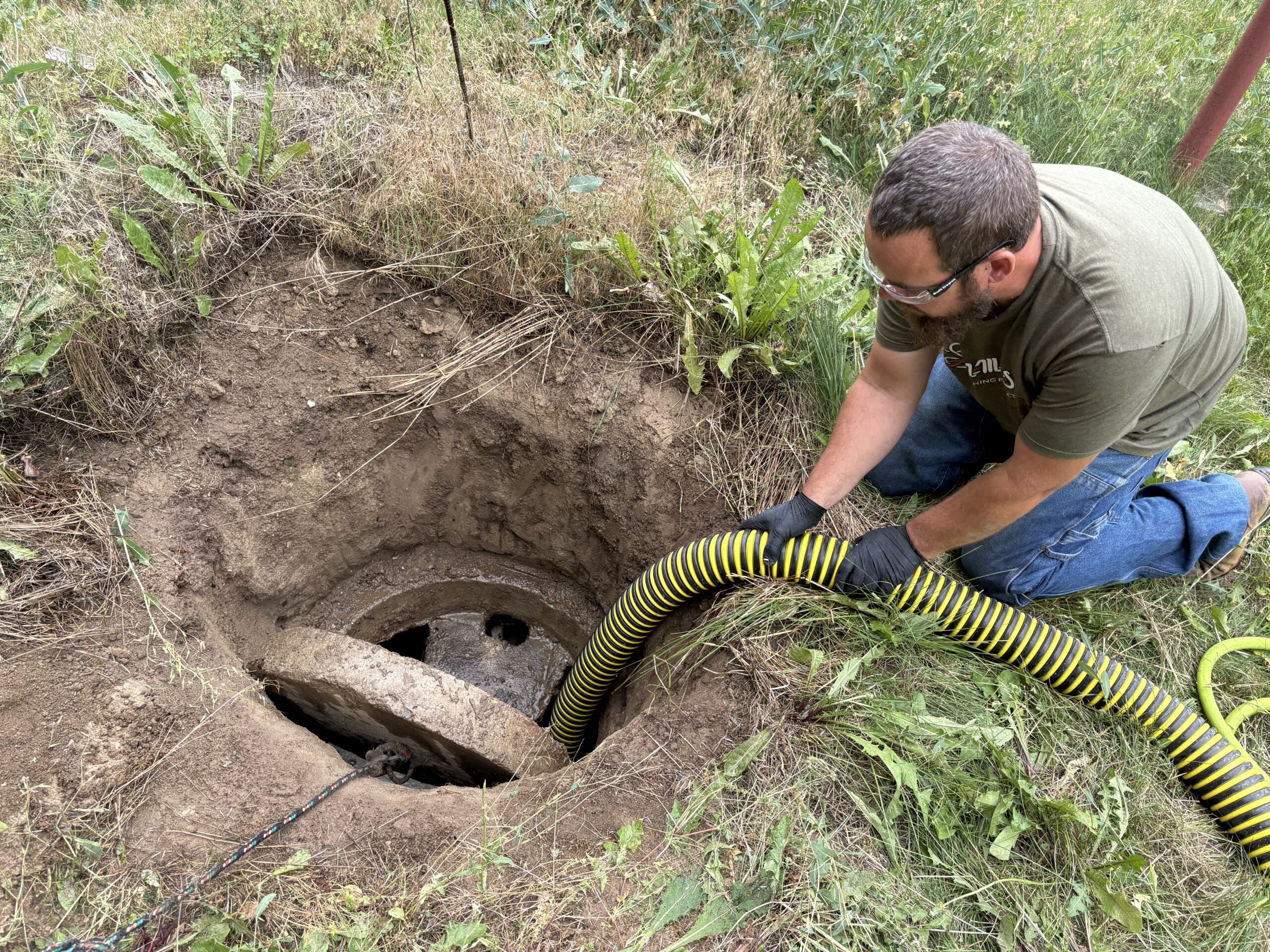
Your septic system works quietly underground every day, which makes it easy to forget about until something goes wrong. Unfortunately, waiting for a sewage backup, strong odor, or flooded drainfield can turn routine maintenance into a stressful and expensive problem.
Regular septic tank pumping helps remove the sludge and solids that collect inside your tank. But how do you know when it is time to schedule service?
How Often Should a Septic Tank Be Pumped?
Most household septic tanks should be pumped approximately every three to five years. However, there is no single schedule that works for every property.
You may need more frequent septic pumping depending on:
The size of your septic tank
The number of people in your household
How much water your household uses
Whether you use a garbage disposal
The age and condition of your septic system
Whether the property is occupied year-round or seasonally
The amount of solid waste entering the system
Homes with alternative septic systems containing pumps, electrical components, or float switches may also require more frequent inspections.
If you do not know when your tank was last pumped, it is a good idea to contact a septic professional rather than waiting for warning signs.
Seven Signs Your Septic Tank May Need Pumping
1. Multiple Drains Are Moving Slowly
One slow sink may indicate a localized plumbing clog. However, if several sinks, tubs, or toilets are draining slowly at the same time, your septic tank or system may need attention.
2. Your Plumbing Is Gurgling
Gurgling sounds from toilets, sinks, or drains can indicate that wastewater is not moving through the system properly. This may happen when a tank is becoming too full or another part of the system is restricted.
3. You Notice Septic or Sewage Odors
Persistent sewage odors inside your home or around the septic tank and drainfield should not be ignored. They may indicate an overfilled tank, ventilation problem, leak, or another issue requiring professional evaluation.
4. Sewage Is Backing Up
A sewage backup is one of the clearest signs that your septic system needs immediate attention.
If sewage begins backing up into a toilet, bathtub, shower, or floor drain, reduce water use and contact a septic professional right away. Continuing to run water can make the problem worse.
5. The Ground Near the System Is Wet or Spongy
Wet, soft, or unusually muddy ground around your septic tank or drainfield can indicate that wastewater is surfacing instead of being properly absorbed into the soil.
Grass that is noticeably greener or growing faster over one part of the drainfield can also be a warning sign.
These symptoms do not always mean pumping alone will solve the problem, so the system should be evaluated.
6. Your Septic Alarm Is Sounding
Some septic systems have alarms that activate when wastewater reaches an unsafe level or a pump component is not functioning properly.
Do not silence the alarm and assume the problem has gone away. Reduce water usage and arrange for service as soon as possible.
7. It Has Been More Than Three to Five Years
Your septic system does not need to show obvious symptoms before it is pumped.
If several years have passed since the last service, or you cannot find any maintenance records, scheduling an inspection or pump-out can help prevent an unexpected backup.
Why You Should Not Wait for a Septic Emergency
By the time you notice sewage backing up or wastewater surfacing outside, the system may already be under significant stress.
Routine septic pumping can help:
Reduce the risk of sewage backups
Protect your drainfield
Prevent unpleasant odors
Improve system performance
Extend the usable life of your septic system
Identify potential concerns before they become larger problems
Pumping cannot repair a damaged drainfield or fix every septic problem. However, regular maintenance is one of the most important steps you can take to protect the system.
How to Help Your Septic System Last Longer
Between pumping appointments, a few simple habits can reduce stress on your system:
Repair leaking faucets and toilets
Spread laundry loads throughout the week
Avoid sending grease and cooking oil down the drain
Do not flush wipes, paper towels, hygiene products, or household garbage
Use water-efficient fixtures and appliances
Keep vehicles and heavy equipment off the drainfield
Avoid planting trees or large shrubs near septic components
Keep a record of inspections, pumping dates, and repairs
Even products labeled “flushable” may not break down quickly enough to protect a septic system.
Keep a Septic Maintenance Record
After your tank is pumped, write down the service date and keep it with your property records. You can also set a reminder to review your pumping schedule in three years.
If you sell your home, these records can help show prospective buyers that the system has been responsibly maintained.
Septic Pumping in Bonners Ferry, Sandpoint, and North Idaho
If you are unsure when your septic tank was last pumped, Pinnacle Septic can help you determine the appropriate next step.
We provide dependable septic tank pumping for homes and businesses throughout Bonner and Boundary counties, including Bonners Ferry, Sandpoint, Moyie Springs, Naples, Ponderay, Sagle, Priest River, and surrounding North Idaho communities.
Call or text Pinnacle Septic at (208) 603-1395 to request septic pumping service.
Do not wait for slow drains, unpleasant odors, or a sewage backup. Routine maintenance can help protect your home, property, and septic system.
Frequently Asked Questions
Can I wait until my septic system shows warning signs?
Waiting for symptoms increases the risk of a backup or system damage. Routine pumping is generally safer than waiting until the tank becomes overly full.
Does every septic tank need pumping every three to five years?
Not necessarily. Three to five years is a general guideline. Your schedule depends on the tank size, household size, water usage, system design, and the amount of solids in the tank.
Can septic additives replace pumping?
Septic additives do not remove the accumulated sludge and solids from your tank. Physical pumping is still necessary as part of normal septic maintenance.
What if I do not know where my septic tank is located?
A septic professional may be able to help locate the tank. Previous property records, permits, inspection reports, or information from the prior owner may also show its location.